Bow Storage in Bow

Bow Storage in Bow is a straightforward service for people and businesses who want extra space kept organised and accessible. It suits household items, office materials and other belongings that need a secure home for longer or shorter periods. The service page brings together the main storage options, the practical differences between them and the steps that help you choose a suitable arrangement without overcomplicating the process.
If you are comparing storage for a move, a renovation or simply to reduce clutter, it helps to start with the type of items you want to place away, how often you may need access and how long you expect to keep them there. Our removals and storage service is designed for situations where collection, transit and storage need to work together, while other customers prefer to arrange storage on its own and keep the rest of their plan separate.
For a clear starting point, think about size, access and protection. Boxes, furniture, business records and seasonal items can all suit different storage arrangements, and the right choice is usually the one that matches the items rather than forcing everything into one format. If you are ready to compare options, request a quotation and use the details below to decide what should be included.
Storage options for household and business items

Different customers need storage for different reasons, so the service is best understood as a set of practical options rather than one fixed product. Household storage is often used for furniture, spare appliances, archive boxes and possessions that are not needed every day. Business storage can support stock, equipment, documents or items waiting for a future move, refurbishment or redistribution. The key is to keep the stored goods in a format that remains manageable from the first day to the last.
For smaller loads, small removals can be a useful companion service when items need collecting before they go into storage, while larger domestic clearances may be better handled through house removals where the whole plan involves transport as well as storage. We also provide household storage for people who need a domestic solution with enough flexibility to hold everyday possessions, furniture and seasonal items in one place.
What usually goes into storage

A sensible storage plan begins with a simple inventory. That does not need to be complicated, but it should identify the main categories clearly enough to avoid confusion later. Boxes of paperwork, dismantled furniture, musical equipment, trade tools and spare stock each place different demands on the arrangement. Items that are fragile, valuable or awkward to move may need more careful packing and labelling than items that can be stacked easily.
Our document storage page is relevant where files and records need a more orderly approach than general storage can provide. Businesses often separate current working papers from archived material, and private customers may want to do the same with family paperwork, photographs or certificates. Using the right storage type for records can make it easier to maintain order without mixing sensitive paperwork with bulky goods.
Before anything is moved, it helps to decide what should stay together, what can be split into boxes and what may need protective wrapping. A little planning at this stage usually prevents double handling later and makes the whole process more efficient. If you are unsure how to group your items, a concise list is often enough to begin the conversation.
Short-term and long-term arrangements
Some customers need storage for only a brief period, perhaps between moving dates or during decorating work. Others need a longer arrangement because space is limited at home, stock levels change with the season or office files need to be retained for an extended period. Short-term storage and long-term storage both have a role, but the best option depends on how long the items are likely to stay away and how much change you expect during that time.
Shorter arrangements suit situations where access is still likely, or where the end date is reasonably clear. Longer arrangements are usually chosen when the items are not needed soon, but still need to remain organised and protected. If you are comparing the two, think about whether the contents will stay in one group, whether you may add or remove items, and whether there is any reason to prioritise convenience over permanence. A practical decision now can save time later.
Some customers also use secure storage when they want a stronger focus on controlled handling and careful oversight. This is especially relevant when the contents include private paperwork, business equipment or items that are simply too important to leave in an improvised arrangement. The aim is not to add complexity, but to make the storage choice reflect the value and sensitivity of the goods being kept.
Packing, preparation and collection
Good preparation is one of the simplest ways to make storage work smoothly. Items packed in a tidy way are easier to move, easier to identify and easier to retrieve if you need them later. Sturdy boxes, clear labels and sensible grouping all help. It is also worth separating items that should stay upright, items that can be stacked and items that need a little extra wrapping. Care at the start usually means less sorting at the other end.
Our packing services support customers who want help getting belongings ready before storage, while mobile self-storage is useful where loading and collection need to be handled with less disruption to your schedule. If you have furniture as part of the load, furniture storage can help when larger items need to be kept separately from boxes and smaller possessions. Each route serves a slightly different need, so the right choice depends on the type of goods and the way you want them managed.
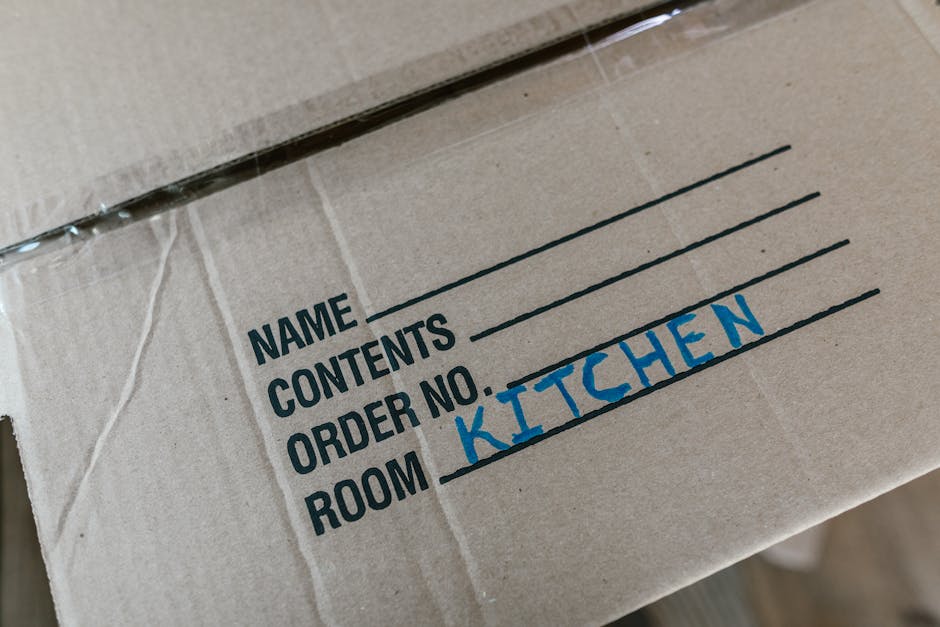
Useful preparation steps often include checking whether items are clean and dry, removing loose parts, labelling boxes by room or category and setting aside anything that should not be mixed with general goods. Where access matters, it is also wise to place often-needed items together so they can be found without repacking the whole load. Keep preparation practical rather than over-elaborate, and focus on what will make the handover easier.
How storage can support a move or office change

Storage is often used as part of a wider change rather than as a stand-alone task. Households may need somewhere to keep belongings while a property is being sold, decorated or reorganised. Businesses may use storage to bridge the gap between office layouts, refurbishment work or changes in stock levels. In both cases, the aim is to reduce pressure on the main space while keeping the items accessible and in order.
For business customers, office storage can be a practical way to manage desks, chairs, archived files and other workplace items that do not need to remain in the day-to-day area. When the change involves a full relocation, office removals may sit alongside storage so that the move remains structured rather than rushed. The same principle applies to domestic changes, where storage is often more helpful when it is considered alongside the rest of the move plan.
When you are planning a combined move and storage arrangement, it is worth deciding which items will be needed first after the transition and which can wait. Separating those groups at the start makes unpacking easier later and reduces the chance of opening every box to find one small item. Order now avoids confusion later, especially where there are several categories of belongings involved.
Commercial storage for tools, stock and records
Commercial storage has its own priorities. Businesses often need a place for seasonal stock, archived files, promotional materials, trade equipment or furnishings that are not currently in use. The useful question is not simply how much space is needed, but what must be easy to identify, what needs to remain separated and what may be needed again at short notice. A clearer system helps protect both time and working capital.
If your business contents include stock and supplies, business storage offers a straightforward route for keeping those items together without spreading them across several temporary locations. For items that are particularly sensitive or important to the running of the business, secure storage may be a better fit. Some companies also use office storage for surplus desks, chairs, filing cabinets and records that should be retained but are no longer needed in the main workspace.
Price is usually shaped by the amount of space required, the nature of the items and how long they are expected to remain stored. Access needs can also influence the arrangement, because frequently used goods may need a different setup from items that will stay untouched for months. When you ask for a quotation, it helps to include the broad mix of contents and the time period you have in mind, so the response reflects the real job.
About Bow
Bow is a district in the East End of London, historically part of Middlesex and now within the London Borough of Tower Hamlets. Its identity has long been shaped by transport routes, canals and the wider pattern of east London development. The area sits close to the River Lea and has strong connections with the waterways and industrial growth that influenced much of the surrounding district. Bow Road and the nearby routes toward Stratford and Mile End have helped define the way people move through the area, while the underground and DLR links connect it with the rest of the capital. Bow Church, with its distinctive tower, is one of the well-known historic landmarks associated with the area, and St Mary’s churchyard provides a quieter reminder of its earlier settlement pattern. The Limehouse Cut and the Regent’s Canal also reflect the importance of water transport and warehouse activity in east London’s past. Today Bow combines older residential streets, later housing, modern developments and open spaces such as Victoria Park on its western edge and the towpaths and green corridors that attract walkers and cyclists. The area’s built environment therefore tells several stories at once: parish history, industrial change, post-war rebuilding and continuing regeneration. Those layers give Bow a character that is both local and connected, with a landscape shaped by movement, trade, housing and community life over many generations.
Making the right choice for your items

Choosing storage well is less about finding the most elaborate option and more about matching the service to the contents. Furniture, documents, retail stock and mixed household goods each benefit from a slightly different approach. If the load is straightforward, a general arrangement may be enough. If the goods are mixed, fragile or needed at intervals, then the details of packing, labelling and access become more important. A careful decision at this stage usually keeps the whole process calmer.
Our self-storage page may suit customers who want a familiar, flexible arrangement, while man and van support can help with the practical side of getting items moved before storage. Some customers prefer local removals when they only need a short transfer across nearby addresses, whereas others need a more complete solution that includes collection and storage in one plan. Keep the focus on what is being moved and how it should be handled, rather than on a one-size-fits-all approach.
To arrange the next step, send the list of items, the expected timeframe and any access points that matter. Request a quotation today and keep the message brief if that is easier; the key details are usually enough to begin. If you would like to compare practical storage options first, our final recommendation is simple: choose the arrangement that keeps your belongings orderly, accessible and appropriate to their use.