Moving to Bow Quarter tips for smooth removals
Moving into Bow Quarter can feel exciting and slightly chaotic at the same time. You are probably juggling boxes, keys, lift bookings, parking worries, and that one drawer full of chargers you meant to sort out three weeks ago. Fair enough. A move into a gated apartment complex has its own rhythm, and if you get the rhythm wrong, even a simple move can turn into a long day with a lot of waiting around.
This guide brings together practical Moving to Bow Quarter tips for smooth removals so you can plan properly, avoid the usual snags, and settle in with less stress. Whether you are moving from across East London or only a few streets away, the difference between a messy move and a calm one is usually preparation, communication, and a decent backup plan. Let's make it simpler.
For help with the moving side itself, it can also be useful to look at professional removals support and, where needed, packing services so the day runs to time instead of drifting off course by lunchtime.
Contents
- Why moving to Bow Quarter matters
- How the moving process works
- Key benefits and practical advantages
- Who this guide is for
- Step-by-step guidance
- Expert tips for better results
- Common mistakes to avoid
- Tools, resources and recommendations
- Law, compliance and best practice
- Options and comparison table
- Case study or real-world example
- Practical checklist
- Conclusion
- Frequently asked questions
Why Moving to Bow Quarter tips for smooth removals Matters
Bow Quarter is not a typical street-level house move. You are often dealing with apartment access, shared entrances, lift use, corridor width, loading windows, and the general need to be considerate of neighbours. That changes the shape of the move. A van arriving at the wrong time, a sofa that will not turn in a hallway, or a key handover running late can throw off the whole schedule.
That is why good removal planning matters here more than people sometimes expect. Smooth removals are not just about muscle power. They are about timing, route planning, careful packing, and a sensible loading order. If you have ever watched a moving trolley sit idle while someone searches for a passcode or a parking bay, you already know the problem.
There is also the emotional side. A new home is meant to feel like a fresh start, not a day of broken lamp shades and rushed decisions. A calmer move gives you space to get your bearings, hear the quiet of the flat before the boxes take over, and start life there properly. That matters more than people admit.
Expert summary: The best Bow Quarter move is the one where access is confirmed early, packing is finished before moving day, and the first load is organised around what the new flat actually needs first, not what is easiest to carry.
How Moving to Bow Quarter tips for smooth removals Works
In practical terms, a smooth move into Bow Quarter usually follows a simple pattern. First, you confirm the logistics at both ends. That means understanding when you can collect keys, how long you have access to the property, where the vehicle can stop, and whether the building has any rules about moving-in times or lift use.
Next comes packing. Not all packing is equal. A box of books that is too heavy will slow everyone down, while a box of loose kitchen items can become a mini disaster the moment it tilts. Good packing is about balance, labelling, and protecting fragile items properly. It sounds basic. It is basic. And it still gets skipped all the time.
Then comes the physical move: loading, travelling, unloading, and placing items in the right rooms. For flats, the unload matters a lot. If your bed frame, table legs, and bedding are placed correctly from the start, you save yourself a second round of moving furniture later on. That second round is where the tiredness really bites.
If your move includes items you do not need immediately, short-term storage can take pressure off the day. Some people also combine a move with removals and storage so furniture and seasonal items are handled in one joined-up plan. It is often a quiet lifesaver, to be fair.
Key Benefits and Practical Advantages
When you plan a Bow Quarter move properly, the benefits show up in small but very real ways. The day feels more manageable. People work better. Boxes end up where they should. And the chances of damage or delay drop noticeably.
- Less stress on moving day: You are not improvising every five minutes.
- Faster loading and unloading: Clear labels and organised rooms speed everything up.
- Lower risk of damage: The right packing materials and handling routines matter.
- Better building etiquette: A smooth move keeps neighbours happier and avoids complaints.
- More control over costs: Delays and failed access attempts often add unnecessary expense.
- Easier first night setup: Essentials are easy to find, so you can sleep, cook, and breathe.
There is also a practical benefit that gets overlooked: a well-managed move makes it easier to decide what really belongs in the flat. Bow Quarter apartments, like many city flats, reward people who keep things tidy and intentional. If you arrive with only useful items properly sorted, the place feels liveable faster.
And if you need a smaller vehicle or a more flexible arrangement, a man and van option can suit lighter loads, student moves, or awkward access where a full-size removals team would be overkill. It is not always the answer, but sometimes it is exactly the right tool.
Who This Is For and When It Makes Sense
This advice is useful for anyone moving into Bow Quarter, but it is especially relevant if you are moving into a flat, sharing a building with tight access, or bringing furniture that needs careful handling. A first-time renter, a couple relocating from another part of London, or a professional moving to be nearer work can all benefit from the same basics.
It also makes sense if you are downsizing. A smaller flat means fewer storage opportunities, so every item has to earn its place. In those situations, using small removals can be a smarter fit than booking a large vehicle and a bigger crew than you need. Simple, efficient, and usually easier on the budget.
Students moving into the area, or people between leases, often need even more flexibility. If that sounds familiar, short-term storage may help bridge the gap between leaving one place and settling into the next. That one or two week gap can be awkward otherwise, especially if completion dates wobble a bit. And they do wobble sometimes.
Step-by-Step Guidance
1. Confirm access details early
Start with the basics: key collection time, lift access, entry codes, parking, and any restrictions on moving in or out. If the building manager or letting agent has a move-in procedure, ask for it before anything is booked. Do not rely on memory here. Write it down.
2. Book the right type of removals support
Choose support based on the size of your move, access at both properties, and the amount of furniture involved. A whole-house move needs a different setup to a one-bedroom flat with a few key pieces. If you are moving within London, local removals can be a sensible match because the team can build in traffic and access realities rather than treating everything like a generic postcode job.
3. Declutter before packing
Be honest with yourself. Are you really going to use that spare lamp, those old cable boxes, or the chair that only looks good in photos? Probably not. Decluttering first reduces box count and makes unpacking less irritating. It also helps keep the flat from feeling crowded from day one.
4. Pack by room and priority
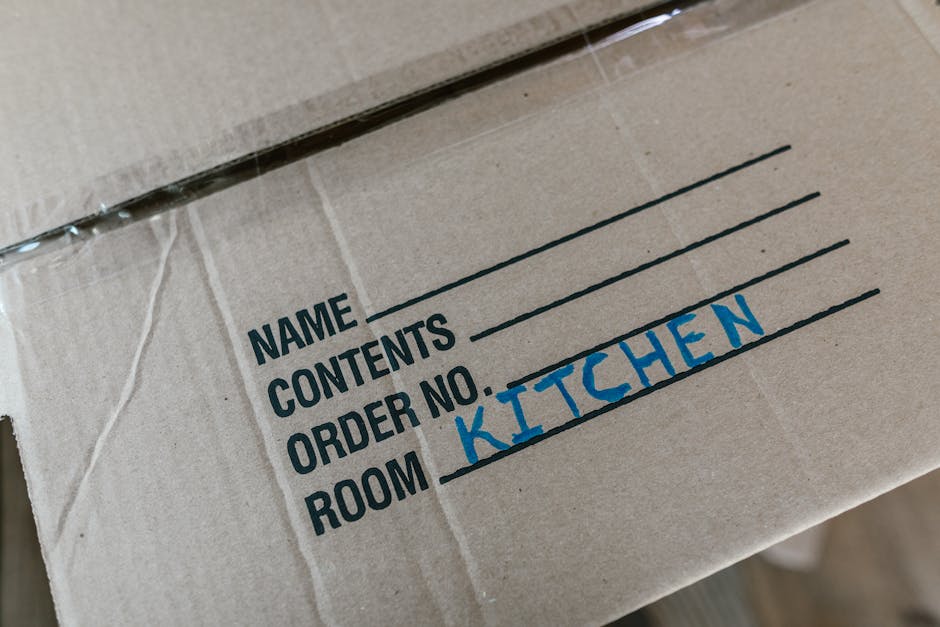
Pack one room at a time where possible. Label the box with the room and the contents, then mark priority boxes clearly. A good priority box for Bow Quarter should include toiletries, kettle, mugs, phone chargers, bedding, toilet roll, basic tools, and a change of clothes. Nothing glamorous, just essential.
5. Protect awkward and fragile items properly
Use wrapping, padding, and sturdy boxes for glass, mirrors, TVs, and kitchenware. If an item has sentimental value or would be expensive to replace, give it extra protection rather than hoping for the best. Hope is not a packing system.
6. Plan unloading room by room
Before the van arrives, decide where the largest items will go. It saves the whole team from standing in a hallway asking, "Where would you like this?" while the clock ticks on. Again, very normal, very avoidable.
7. Leave time for the first hour inside the flat
Once the van has left, take ten minutes to breathe and check the essentials. Make the bed if you can. Put the kettle on. Confirm nothing fragile is missing. A quiet first hour makes the place feel less like a pile of boxes and more like home.
Expert Tips for Better Results
A few small decisions can make a surprisingly big difference. In our experience, the best moves are rarely the flashiest ones. They are simply the most organised.
- Pack a "first night" bag: Keep it with you, not in the van.
- Use colour labels: Even a cheap coloured sticker system makes room drops faster.
- Measure your furniture against the new space: Bow Quarter flats can be generous or compact depending on the layout, so do not assume the sofa will fit just because it fit somewhere else.
- Disassemble only what helps: Some furniture is easier to move in sections; other items are better left intact.
- Keep valuables separate: Passports, paperwork, keys, and jewellery should travel with you.
- Have a backup plan for storage: If completion, handover, or decorating runs over, temporary storage can save the day.
A little local awareness helps too. London traffic, delivery timing, and lift availability all affect how the day feels. If you plan as though everything will run five minutes late, you tend to stay calmer when something inevitably does. Sensible, not pessimistic.
For furniture-heavy moves, furniture storage can be useful if you are waiting for flooring, painting, or a bed frame issue to be sorted. And for bigger home transitions, house removals is a practical option when you need a full moving service rather than just transport.
Common Mistakes to Avoid
The same mistakes crop up again and again. The good news? They are easy to avoid once you know what to look for.
- Leaving access checks until the last minute: This is the big one. It can cascade into delays fast.
- Overpacking boxes: Heavy boxes are slow, awkward, and unpleasant to lift.
- Poor labelling: If every box says "misc," unpacking becomes a treasure hunt. A bad one.
- Forgetting building rules: Quiet hours, lift bookings, and loading permissions are not optional extras.
- Ignoring parking reality: A van that has nowhere sensible to stop creates instant pressure.
- Not protecting the route inside the property: Hallways and corners can be scratched or marked if you rush.
- Assuming storage is only for long delays: Sometimes short-term storage is the simplest way to avoid chaos.
There is also an emotional mistake: trying to do too much in one day. If you can split sorting, packing, transport, and unpacking into calmer phases, do that. Nobody wins a medal for moving too fast and losing their temper by 4 p.m.
Tools, Resources and Recommendations
You do not need a mountain of specialist kit, but a few basics help a lot.
| Item | Why it helps | Best used for |
|---|---|---|
| Sturdy boxes | Reduces collapse and damage risk | Books, kitchenware, mixed items |
| Packing paper or wrap | Protects surfaces and fragile pieces | Glasses, ornaments, crockery |
| Labels or coloured tape | Makes room sorting faster | Any move with multiple rooms |
| Furniture blankets | Helps prevent scuffs and dents | Tables, wardrobes, sofas |
| Trolley or sack barrow | Reduces strain on heavier loads | Boxes, appliances, awkward items |
| Toolkit | Useful for disassembly and assembly | Beds, shelves, flat-pack items |
On the service side, it can be worth comparing a few options depending on your situation. If you need a flexible schedule or a smaller-scale move, small removals may suit you. If your move involves temporary overflow, short-term storage is often the cleanest way to keep the day manageable. And if you are handling documents or business materials during a home-to-office transition, document storage is worth knowing about.
Truth be told, most people underestimate how much time the unpacking stage takes. Having the right tools nearby avoids the classic moment where you can see the screwdriver, but it is in a box called "miscellaneous kitchen." A little annoying, that one.
Law, Compliance, Standards, or Best Practice
For a move like this, the main compliance concerns are usually practical rather than legal drama. That said, there are a few standards and good-practice points worth keeping in mind.
First, any removals provider should handle belongings with reasonable care, use sensible loading methods, and operate with clear terms and conditions. You should be able to understand what is included, what is excluded, and how liability or claims are handled. If you are comparing services, check the provider's terms and conditions and insurance and safety information before booking. That is just prudent.
Second, building rules matter. Bow Quarter may have its own access arrangements, and you should respect those. That can include lift bookings, quiet hours, and loading restrictions. Best practice is to confirm the rules in writing and pass them to your removals team so nobody is guessing on the day.
Third, if items are being stored temporarily, look for secure and clearly managed storage. Secure storage is especially useful where possessions need to sit for a while between homes. For longer gaps, long-term storage may be the better fit, while mobile self storage can suit people who want flexibility without repeatedly moving items around.
Finally, if you are moving personal paperwork or business files, protect confidential materials properly. The aim is simple: keep things safe, organised, and traceable. Nothing fancy. Just sensible handling and clear communication.
Options, Methods, or Comparison Table
If you are deciding how to approach the move, it helps to compare the main methods rather than treating them all as the same thing. They are not the same thing at all, actually.
| Option | Best for | Pros | Watch out for |
|---|---|---|---|
| Full removals service | Large home moves or heavy furniture | Less lifting, more support, faster handling | Can be more than you need for a small flat |
| Man and van | Smaller loads or flexible local moves | Cost-effective, practical, nimble | May require more help from you with packing |
| Small removals | Studios, one-bed flats, reduced furniture loads | Good balance of value and support | Not ideal for bulkier household moves |
| Removals with storage | Moves with timing gaps or overflow items | Less pressure on moving day, safer for excess items | Needs planning and a clear storage period |
If you are moving from another flat or a compact property, flat removals may be the most relevant option because the service is naturally geared towards the access and packing realities of apartment moves. That can make a bigger difference than people think.
Case Study or Real-World Example
Here is a realistic example. A couple moving into Bow Quarter from a rented flat in East London had a fairly ordinary problem set: a bed, a sofa, dining chairs, a couple of bookshelves, boxes of kitchenware, and an awkward mirror they did not want scratched. Nothing huge, but enough to be annoying if handled badly.
They did three things well. First, they checked access with the building before booking the move. Second, they packed their fragile items separately and labelled everything by room. Third, they kept one box back for overnight essentials so they could find the kettle, bedding, and toiletries without opening half the kitchen after dark.
The result was not magical. It was just calm. The van arrived, the lift booking was already sorted, the unloading list was clear, and furniture went straight to the right rooms. There was a small delay because one corner on the sofa frame needed a slight adjustment, but because nothing else was rushed, it did not become a problem.
That is the real lesson. Smooth removals are usually not about perfection. They are about reducing friction in the places where stress likes to creep in. Small things, handled early, save a lot of noise later.
Practical Checklist
Use this checklist in the days before your move. It keeps the important bits from slipping through the cracks.
- Confirm key collection time and move-in access.
- Check lift, stair, and loading arrangements.
- Book parking or loading space if needed.
- Decide whether you need removals, storage, or both.
- Measure large furniture against the new flat.
- Declutter before packing begins.
- Pack fragile items separately and label them clearly.
- Prepare a first-night bag with essentials.
- Keep valuables and documents with you.
- Protect floors, walls, and furniture during loading.
- Have phone numbers for the agent, building contact, and removals team handy.
- Leave a little time for a final walk-through.
If you are still comparing moving support, it can help to look at pricing and quotes so you can match the service to the scale of your move without overbuying what you do not need. No one enjoys paying for empty van space, after all.
Conclusion
Moving to Bow Quarter does not need to feel complicated. Once you understand the building access, organise your packing properly, and choose the right moving setup, the whole process becomes much more manageable. The aim is not to create a flawless day. The aim is to create a day that feels steady, efficient, and kind to your energy.
In practice, the best Moving to Bow Quarter tips for smooth removals are straightforward: plan early, label clearly, keep essentials close, and leave room for the real-world hiccups that always seem to appear just when you thought everything was sorted. If you do those things, you are already ahead of the game.
Get a free quote today and see how much you can save.
And once the boxes are inside, the kettle is on, and the evening light starts to settle through the windows, you will be glad you handled the move properly. That first quiet cup of tea in a new place? Worth the effort.
Frequently Asked Questions
How early should I start planning a move to Bow Quarter?
Ideally, start planning as soon as you have a moving date, or at least a couple of weeks before. Access bookings, packing, and furniture checks take longer than people expect, especially for flats.
Do I need a removals company for a Bow Quarter flat move?
Not always, but a removals company is often worth it if you have bulky furniture, limited time, or awkward access. For smaller loads, a man and van service may be enough.
What should I check with the building before moving day?
Check lift access, any loading restrictions, parking arrangements, permitted moving times, and whether keys or fobs are needed. The more you confirm early, the fewer surprises later.
Is storage useful when moving into Bow Quarter?
Yes, especially if your completion date is uncertain, you are downsizing, or you need space for items that do not fit straight away. Short-term storage is often the simplest fix.
How can I avoid damage during the move?
Use strong boxes, wrap fragile items well, disassemble only when needed, and protect furniture corners. Careful handling matters more than buying lots of expensive packaging.
What if my furniture does not fit the flat properly?
Measure everything before moving day and compare it with the new layout. If something is borderline, consider storage or partial disassembly rather than hoping it will magically fit.
Should I pack everything myself?
You can, but professional packing services are helpful if you are short on time or moving fragile items. Many people mix both approaches: pack the easy stuff and get help with breakables.
What is the best moving option for a small Bow Quarter apartment?
Small removals or a man and van service often works well for studios and one-bed flats. It keeps the move lean without paying for more vehicle space than you need.
How do I keep the first day in the flat less stressful?
Pack a first-night bag, keep bedding accessible, label your kitchen essentials, and make sure chargers and toiletries are easy to reach. It sounds simple, because it is. But it really helps.
Are removals and storage worth combining?
Yes, if you have a timing gap or extra belongings you do not want in the way on day one. Combining the two can make the move feel much more controlled.
What should I ask for when comparing quotes?
Ask what is included, whether packing materials are covered, how access issues are handled, and whether storage is available if needed. Clear quoting avoids awkward surprises.
Can I move into Bow Quarter in one day?
Often yes, if access is smooth and the move is organised well. But if you have a lot of furniture or a complicated handover, building in a little extra time is wise. That bit of slack can save the day.